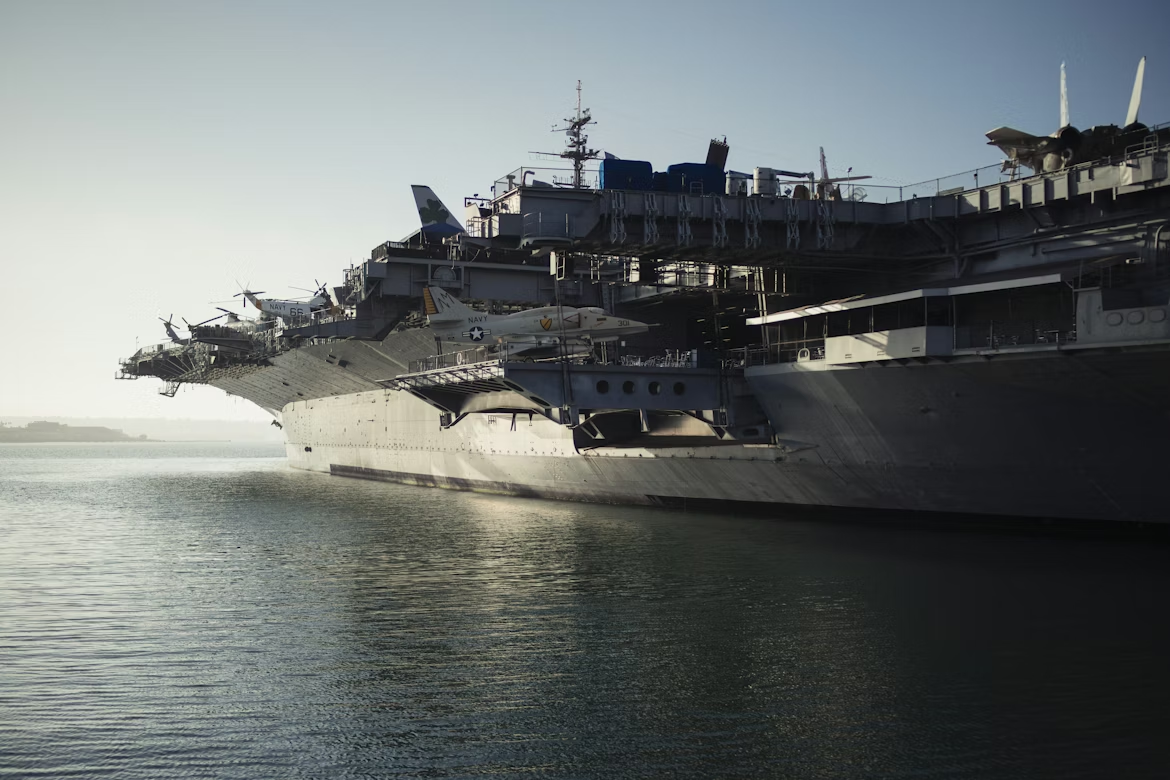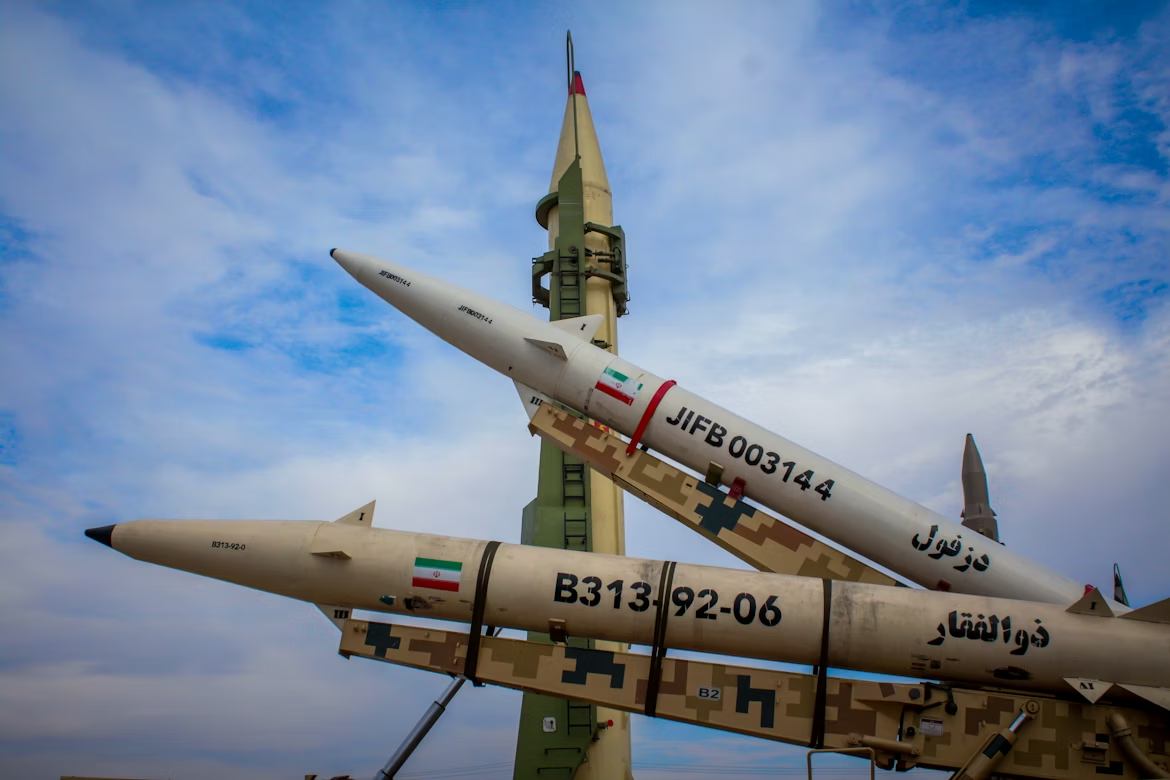


The air campaign against Iran has widened into a region-spanning missile and drone exchange, disrupting oil routes and flight corridors with growing concern of artificial intelligence usage for accuracy. AI has shifted from decision support to tempo-setting infrastructure, fusing sensor data and compressing kill chains in ways that reward automation and sideline human restraint. Reuters reports the Pentagon used Anthropic’s AI services during the strikes, though how they were deployed remains unclear, and that opacity itself carries strategic weight. Meanwhile, BBC Verify finds AI-generated and recycled strike videos flooding social platforms, eroding shared reality as markets and publics price risk in real time. By normalising AI-mediated targeting, permissive cyber operations, and synthetic media without transparent constraints, major powers risk exporting a precedent that raises geopolitical risk premia, inflates cyber and infrastructure costs, and accelerates a global arms and model proliferation race.
EQUITY
The broader market index managed to stay calm after the Middle East war broke out over the weekend with no signs of de-escalation from leaders. The small-cap index even made out with a full percentage gain after aftermarket volatility pulled back mid-session, while defence contractors such as Palantir made out with 5.8%, though conflicting with its partner, Anthropic, who opposes using its technology for combat.
GOLD
Gold's price initially gapped up on the week's opening to above $5,300 but later pared gains as the S&P 500 made a comeback and the crude oil market shock eased. However, tensions in the Middle East continued to escalate, establishing clear support above $5,280 as safe-haven demand is expected to continue increasing due to President Trump's warning that the US would attack Iran until it was no longer a threat and Iran's declaration to close the Strait of Hormuz.
OIL
The US government’s aggressive posturing risks a total shutdown of the Strait of Hormuz, a key waterway for crude oil trade. This manufactured volatility has sent shipping rates for VLCCs to a staggering $423,736 per day, proving that while "it’s hard to get a good market down," the cost of this conflict is being forcefully passed to consumers through soaring inflation and surging bond yields. By prioritising "American interests" over guaranteed safe passage, officials are effectively holding 20% of the world's oil supply hostage, forcing a desperate scramble for resources.
CURRENCY
While many analysts still frame the dollar as a safe haven, its recent six-week high reflects less of an economic recovery and more of a display of leverage. As a net energy exporter, the United States benefits from the closure of Hormuz, while energy-dependent economies like Europe and Japan struggle with inflation, showing the dollar not as a neutral refuge but as a strategic instrument that gains when others weaken.