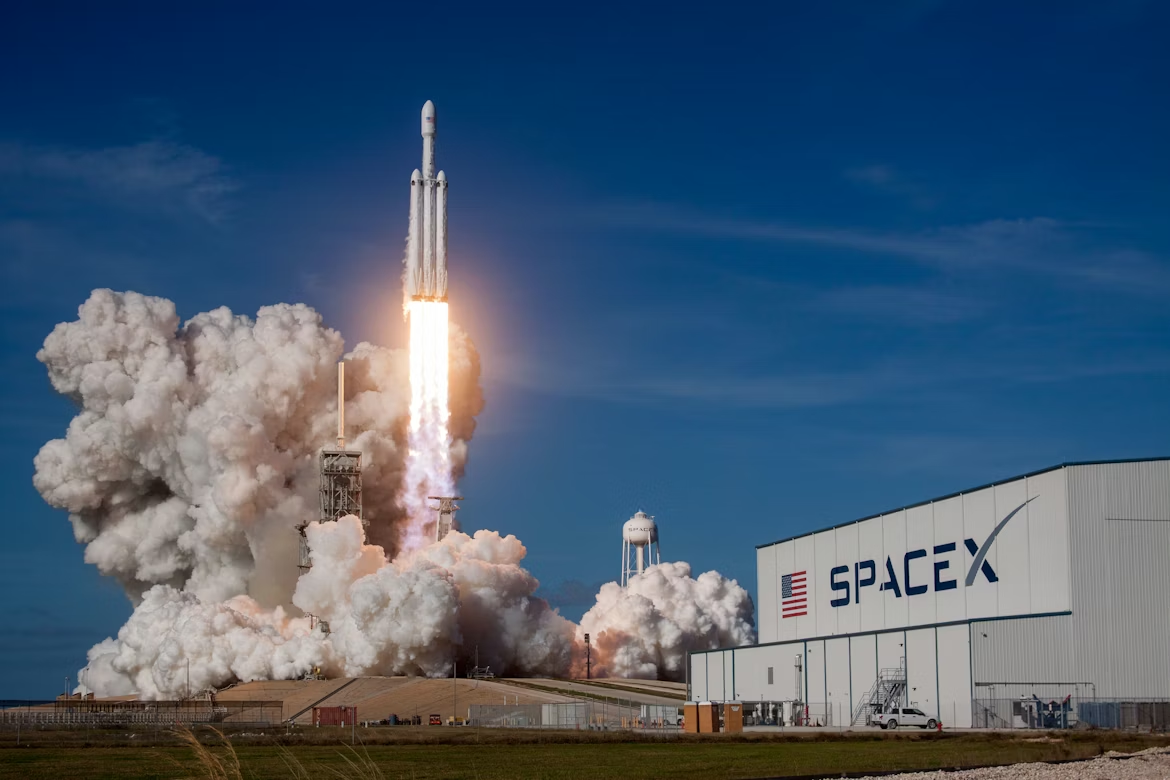

From self-driving cars to humanoid robots, Elon Musk has spent years stitching together Tesla’s autonomy push, Optimus, xAI’s Grok and data centres, and SpaceX’s satellite network into a single vertically integrated AI ecosystem. Terafab, the advanced chip complex he announced for Austin, is meant to turn that ecosystem into self-supplied hardware by building two dedicated fabs: one for processors used in Tesla vehicles and Optimus robots and another for chips designed for AI data centres in space. That matters because Musk has argued that existing global chip output would satisfy only a tiny fraction of his companies’ future needs, making silicon production the bottleneck to scaling. The strategic logic became clearer after SpaceX merged with xAI, a deal Reuters said unified Musk’s AI and space ambitions and consolidated rockets, Starlink, Grok, and data centre plans under one corporate roof, though critics say it's combining failing businesses with his successful ones. Reuters says the IPO could raise more than $50 billion and potentially eclipse Saudi Aramco as the world’s biggest listing, and Terafab strengthens the story investors are being asked to buy.
EQUITY
The S&P 500 notched a new record high, recovering from a war-induced pullback in only 10 trading sessions thanks to megacap tech stocks accounting for 40% of the index's rebound since late March. While risks did not completely abate, many strategists contend major factors are already priced in, suggesting markets are discounting future improvements ahead of definitive headlines.
GOLD
Gold clawed its way back to above $4,800 as diplomatic breakthroughs and a possible long-term peace deal eased inflation concerns, with markets monitoring discussions on reopening the Strait of Hormuz and Iran's nuclear enrichment programme. Gold remains 9% lower than when the conflict began and is expected to track lower if risk-on sentiment continues to be prevalent.
OIL
Crude oil prices stabilised near $96 for Brent and $92 for WTI as early declines were offset by scepticism that some are rumoured to be Trump buying time for a ground invasion. The market remains heavily constrained by the Strait of Hormuz blockade, holding approximately 13 million barrels per day of global oil flows hostage. Washington’s act to end sanctions waivers for Iranian and Russian oil is restricting available supply while analysts project that crude will remain volatile within an $80 to $100 range until a verified diplomatic agreement restores supply chain.
CURRENCY
The U.S. dollar traded near six-week lows, with investors shedding defensive dollar positions on Iran peace deal optimism. Concurrently, the euro neared a ninth straight daily gain, the Australian dollar climbed to a four-year high, and the yuan grew near three-year peaks thanks to China's 5% first-quarter GDP beat. As markets price out the geopolitical war premium, the greenback is set to resume its decline.