
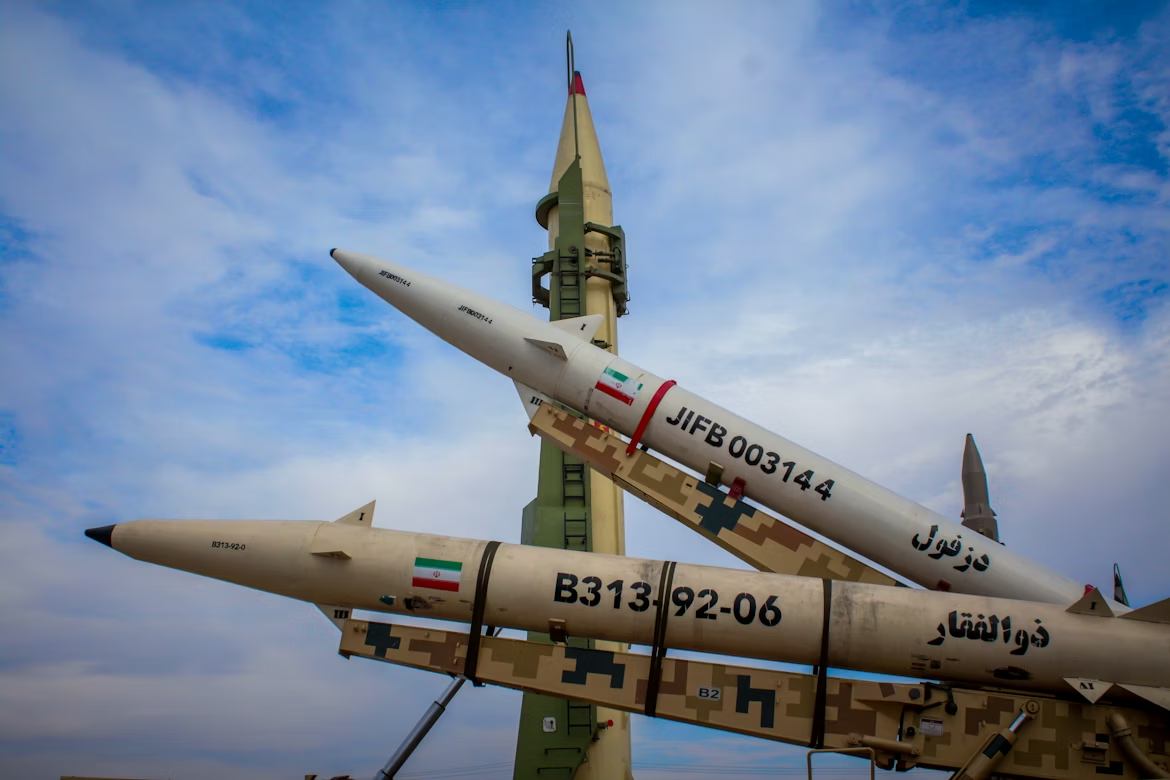
The U.S.-Iran war that began on February 28 might have ended in favour of Iran. The emerging peace agreement appeared less like a decisive U.S. victory and more like a negotiated settlement, with reports indicating that several key terms aligned with Tehran's longstanding demands while Iranian officials publicly claimed the conflict had strengthened their position. Under the proposed framework, Iran is expected to regain access to billions of dollars in frozen assets, receive relief from oil-export sanctions, and secure an end to the U.S. naval blockade, while discussions over potential reparations have also been reported, although no verified financial figure has been confirmed. In return, Tehran would reopen the Strait of Hormuz and enter a 60-day period of nuclear negotiations, shifting the confrontation from military action to diplomacy. Looking ahead, the Middle East is likely to see a greater emphasis on deterrence through economic disruption, tougher negotiations over Iran's nuclear programme, and a more prudent approach toward direct conflict with entrenched regional powers.
EQUITY
The Dow reached a new high in the best session in months following a breakthrough interim peace deal between the U.S. and Iran, reverting investors back to risk assets. The focus was mostly on SpaceX’s post-debut trade, which saw its valuation breeze past $2.5 trillion. Another widely monitored event is when the Federal Reserve begins its first policy meeting under Chair Kevin Warsh.
GOLD
Gold opened with a bang since the peace deal, gapping up 2% in the first hour and another point and a half to trade near $4,370 before pulling back. This volatility in the trading environment for gold has been seen as both a vote for interest rate adjustment and a peace deal expectation. Moreover, precious metals traders are focused on upcoming central bank decisions, as most institutions are awaiting a recovery from the energy shock.
OIL
Although crude oil price fell 6% last week and another 6% since Monday, full supply chain recovery remains a multi-year process because the war shut in over 14 million barrels per day of output, roughly 14% of global demand. Supply normalisation is further bottlenecked by 3.52 million barrels per day of offline refining capacity, extensive infrastructure damage, and the heavily sequenced restart of regional liquefied natural gas facilities.
CURRENCY
The dollar index rebounded to 99.60, erasing losses from an interim U.S.-Iran peace deal, suggesting growing investor scepticism over the accord's details, as Iran’s plan to levy Strait of Hormuz transit fees directly contradicts U.S. assertions of free-flowing oil. Market focus is pivoting to a packed week of central bank decisions, especially at the Fed under new chair Kevin Warsh.