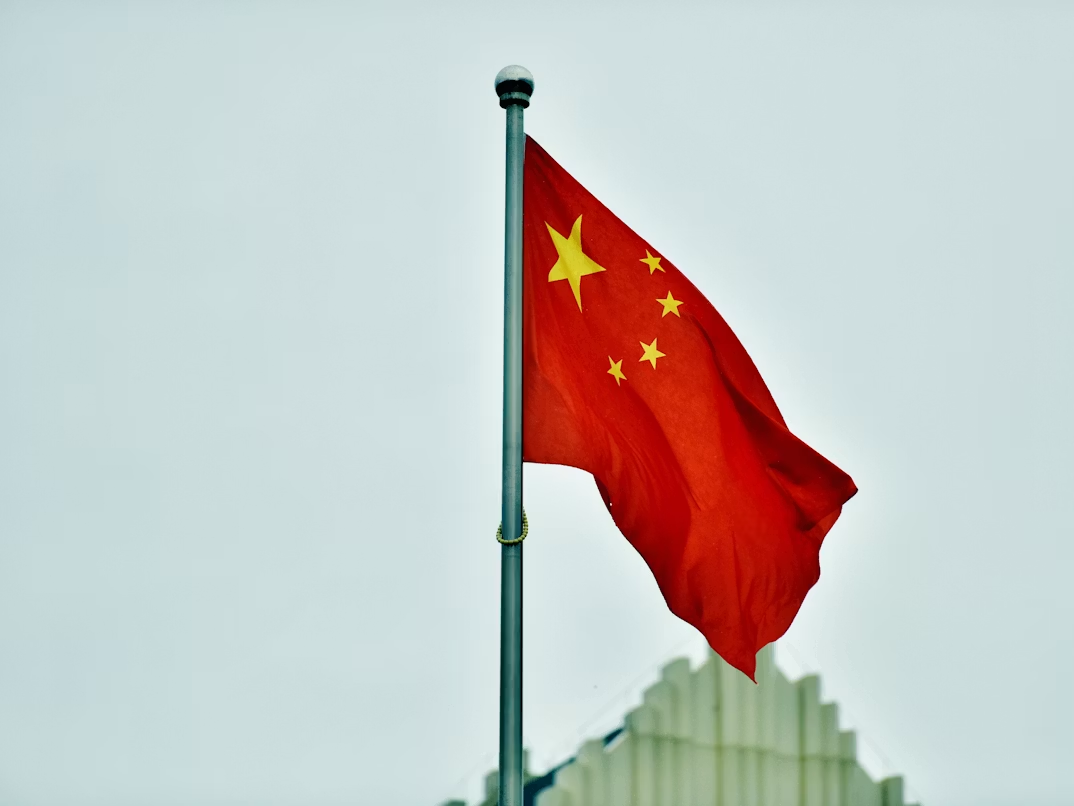


The Trump administration’s strategy of economic imperialism aims to restore American dominance through the fusion of resource control, coercive state power, and monetary pressure. The Justice Department investigation into Federal Reserve Chair Jerome Powell seeks to intimidate the central bank into slashing rates, weakening the dollar, and financing expansive geopolitical ambitions with cheap money. The military seizure of Venezuela fits squarely into this design, pairing open-ended occupation with the extraction of vast oil reserves to flood global markets, suppress inflation, and force monetary easing. The parallel push to acquire Greenland, marketed as national security, targets rare earth minerals and emerging Arctic trade routes, seeking to fracture China’s grip on the materials needed for modern defence and technology. Even the toppling of the Iranian government through internal rebellion serves a greater purpose, neutralizing a rival while tightening American leverage over Middle Eastern energy flows and future supply. Taken together, these moves point to a single endgame: the construction of a 21st-century American resource empire that spans continents, subordinates monetary policy to geopolitical expansion, channels reconstruction windfalls to domestic corporations, and positions Washington as the ultimate arbiter of global commodity markets.
Asian FX is splitting fast in mid-January 2026, with clear winners and losers emerging. The yen is back under pressure, sliding to around 159 per dollar as traders price in looser fiscal and monetary risks tied to snap-election chatter, sharp enough to revive intervention talk as officials warn against “excessive” swings and markets fixate on the 160 level. The Korean won is also wobbling in the upper 1,400s per dollar, dragged lower by one-way dollar demand from outbound securities investment despite solid external balances, and that weakness is now boxing in the Bank of Korea by lifting imported-inflation risks and shrinking room for rapid rate cuts. A relative bright spot is the Malaysian ringgit, which opened 2026 stronger on a softer U.S. dollar, showing greater resilience even as regional volatility stays high.
INDICES PERFORMANCE

Wall Street's major indices declined after a week of geopolitical tension. The S&P 500 fell 0.38% to 6,966.29, while the Dow Jones Industrial Average dropped 0.29% to 49,504.07. The Nasdaq declined 0.92% to 25,766.26, as technology stocks faced pressure amid cautious market sentiment and mixed corporate earnings. Market momentum weakened as investors digested economic data and reassessed expectations for corporate performance in the coming quarters while banking earnings season is in progress.
European markets showed mixed performance this week. The UK's FTSE 100 rose 0.79% to 4,706.28, marking a modest gain. Germany's XETRA DAX edged up 0.14% to 25,261.64, while France's CAC 40 declined 1.23% to 8,362.09, underperforming regional peers. Investor sentiment in the region was cautious, reflecting mixed corporate earnings and ongoing concerns about monetary policy impacts on economic growth prospects.
Asian markets displayed varied results this week. Japan's Nikkei 225 surged 3.84% to 51,939.84, leading regional gains with strong momentum despite currency weakness with 30-year treasury rate shot up to highest level in history. Hong Kong's Hang Seng Index advanced 2.34% to 26,231.80, reflecting positive investor sentiment. In contrast, China's Shanghai Composite declined 0.45% to 4,120.43, bucking the broader regional trend. The mixed regional performance highlighted differing investor responses to local policy developments and global macroeconomic conditions.
CRUDE OIL PERFORMANCE

Brent crude tracked higher last week where there is rising tensions in Iran that eventually subsided with reduced fears of supply disruptions after Trump signaled he might delay military action. While this pulled back prices from last week's four-week high, Trump's warning that harsh measures could return if executions resume is keeping some risk premium alive. Traders are also nervous about renewed trade wars after Trump announced steep tariffs on European goods starting next month, potentially hurting energy demand. Despite worries of a supply glut from rising U.S. inventories, physical shortages from places like Kazakhstan are still providing some price support. Markets remain skeptical about near-term boosts from Venezuela even as the U.S. pushes Chevron for expanded production there. Meanwhile, China's record-high 2025 crude output and refinery processing added another bearish signal for prices.
OTHER IMPORTANT MACRO DATA AND EVENTS
The U.K. economy grew again in November, but the recovery is weak and ongoing fiscal pressures and inflation concerns mean the outlook remains uncertain.
U.S. shoppers spent more than expected in November, with retail sales rebounding strongly even as inflation and uneven economic pressure linger.
What Can We Expect from The Market This Week
BoJ Interest Rate Decision: The Bank of Japan last raised its policy rate to 0.75% in December 2025, the highest level in 30 years, another step away from decades of near-zero borrowing costs. Market consensus expects the BoJ to maintain rates at 0.75% at its January meeting, with further hikes coming later in the year as economists project rates could reach 1% or higher by September 2026.
US PCE Price Index: The US Personal Consumption Expenditures (PCE) Price Index, the Federal Reserve's preferred inflation gauge, stood at 2.8% year-over-year in September 2025, with the core PCE index at 2.8% as well. Markets are closely monitoring upcoming PCE data releases to assess whether inflationary pressures continue moderating ahead of the Fed's policy decisions, with projections expecting core PCE to trend around 2.6% in 2026.
US GDP Q3: Preliminary data shows that the US economy grew at a rate of 4.3% in Q3 2025, exceeding forecasts of 3.3% and higher compared to 3.8% in Q2, the strongest quarterly growth in two years. It was primarily driven by increases in consumer spending, exports, and government spending.
UK CPI: UK consumer price inflation slowed to 3.2% in November 2025, the lowest rate in eight months, down from 3.6% in October and below forecasts of 3.5%. The Office for Budget Responsibility projects UK inflation will average 2.5% in 2026, with economists expecting further moderation toward the Bank of England's 2% target as cost pressures ease.
PBoC Loan Prime Rate: China's main interest rate remains at 3.00% for the 1-year term and 3.50% for the 5-year period as of January 2026, unchanged from December. The People's Bank of China has pledged to cut the reserve requirement ratio and interest rates in 2026 to maintain ample liquidity and support economic growth.