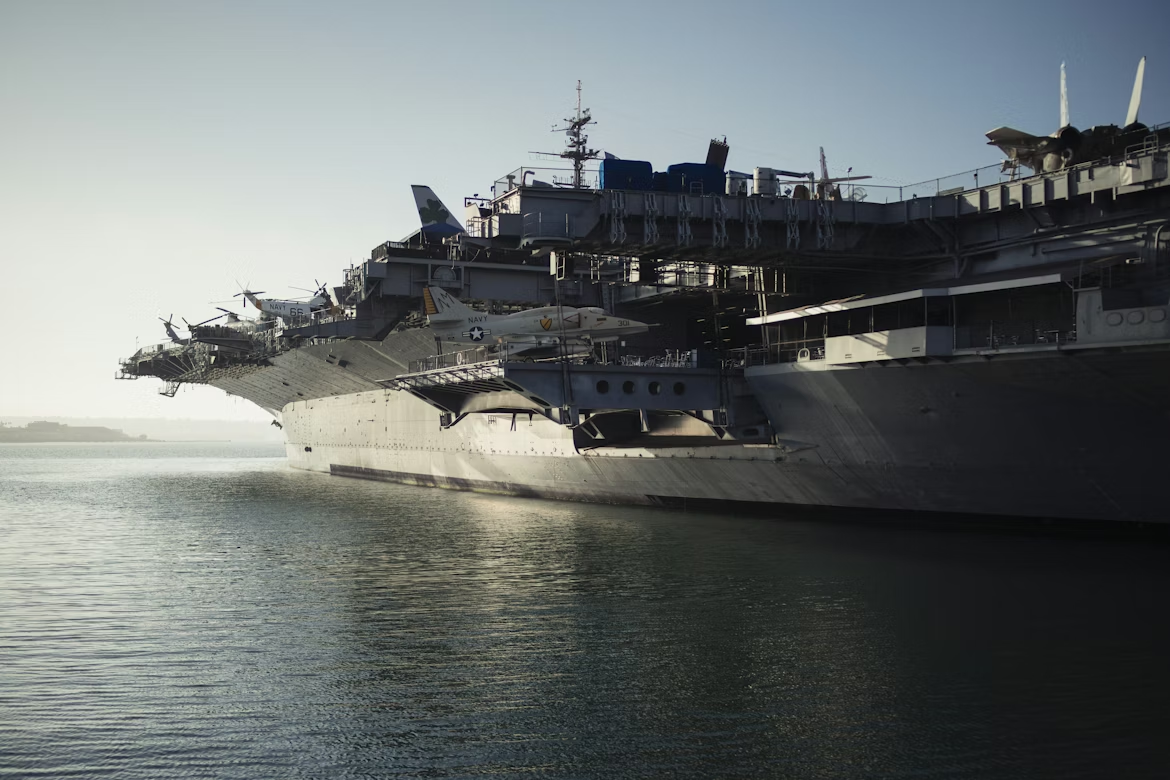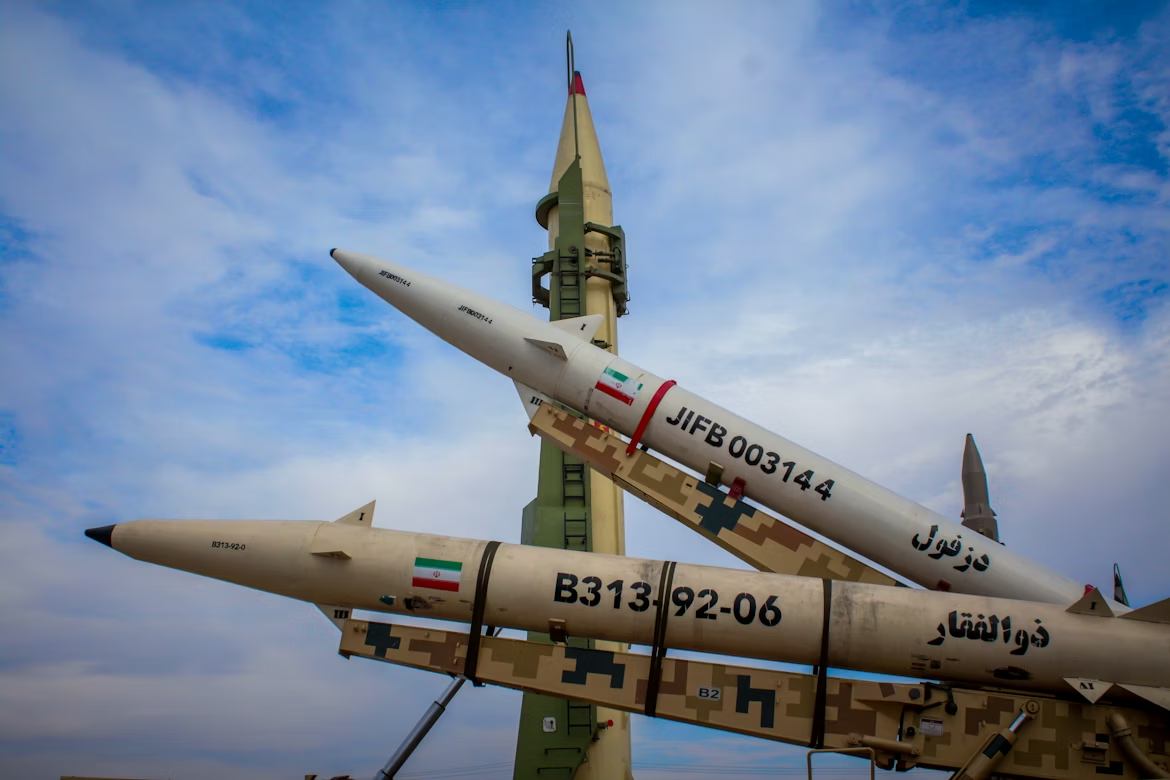

The Strait of Hormuz remains one of the world's most critical energy corridors and the biggest card to be played by Iran. Accounting for about 20 million barrels of oil flowing through it daily (roughly 20% of global supply), the real risk isn't a literal blockade but a de facto closure. When attacks spark fear and insurers withdraw war-risk coverage, traffic can grind to a near-halt even without physical barriers. U.S. officials have stated that recent strikes have significantly degraded Iran's ability to shut the strait. Yet Tehran still holds potent asymmetric tools: thousands of naval mines, submarines to deploy them, and shore-based missiles and drones that can threaten tankers. Iran doesn't need to seal the waterway completely, just raise risks enough to spook shippers and insurers, driving up costs and delaying shipments. That said, Iran also has strong incentives not to overplay its hand. Closing Hormuz would choke off its own oil revenue, alarm key Asian customers, and pressure the Gulf's food supply. The most plausible outcome as of now isn't a permanent shutdown but an unstable "risk closure": intermittent attacks, yen carry trade unwinding again, and elevated insurance premiums. Restoring calm would require a swift naval response where a single miscalculation could quickly escalate turmoil.
EQUITY
A divergence between Wall Street and the global market has been a point of contention due to the rigidity of U.S. market as European and Asian indices suffered for the week. Broadcom and CrowdStrike shares jumped over 4% in aftermarket trade following record earnings and optimistic AI outlooks. Investors now weigh these high-growth tech gains against a hawkish shift in interest rate expectations as the Middle East conflict threatens global energy supplies.
GOLD
Gold prices erased early gains, trading flat below the $5,200 level, as the US dollar rebounded after a modest pullback. However, the precious metal still gained 1% in the previous session. The conflict in the Middle East, particularly between the US and Iran, supports gold's safe-haven appeal, but its price has shown unexpected weakness due to currency dynamics and liquidity needs.
OIL
The intensifying conflict in the Middle East has severely disrupted the Strait of Hormuz, potentially pushing crude oil futures to close 15% higher this week as critical supply routes face closure. This instability has sent oil tanker charter rates skyrocketing to record highs of $315,000 per day, a 400% premium since the start of the year. While U.S. inventory builds offer a slight buffer, analysts warn that a prolonged conflict could lead to production halts as regional storage capacity reaches its limit.
CURRENCY
The dollar index rebounded to 98.8 and is up nearly 1.4% for the week, supported by stronger services and employment data. While geopolitical tensions from the US-Iran conflict initially pressured the market, the dollar has stabilised as investors pivot their focus toward global inflation concerns and hawkish shifts from the European Central Bank. Concurrently, risk-on sentiment has led to a rebound for the yuan, even as China sets a more conservative 2026 growth target of 4.5–5%.