The situation in South Korea grabbed attention after circuit breakers halted trading, with the main culprit being a brutal wave of panic selling triggering a historic 9.99% single-day market implosion. The Korean Exchange was forced into an emergency 20-minute shutdown at 2:33 p.m. when the benchmark KOSPI index fell below the 8% threshold. The index sank as foreign and institutional juggernauts abruptly turned their backs on Seoul, aggressively dumping trillions of won in equities in a desperate bid to lock in profits since the index doubled in value since the start of the year. Tech titans including Samsung Electronics and SK Hynix were completely massacred, both seeing their valuations obliterated by more than 12%. The market rotation away from big tech on Wall Street played a role since the multi-trillion-dollar artificial intelligence bubble became unsustainable under immense infrastructure costs and time scale.
EQUITY
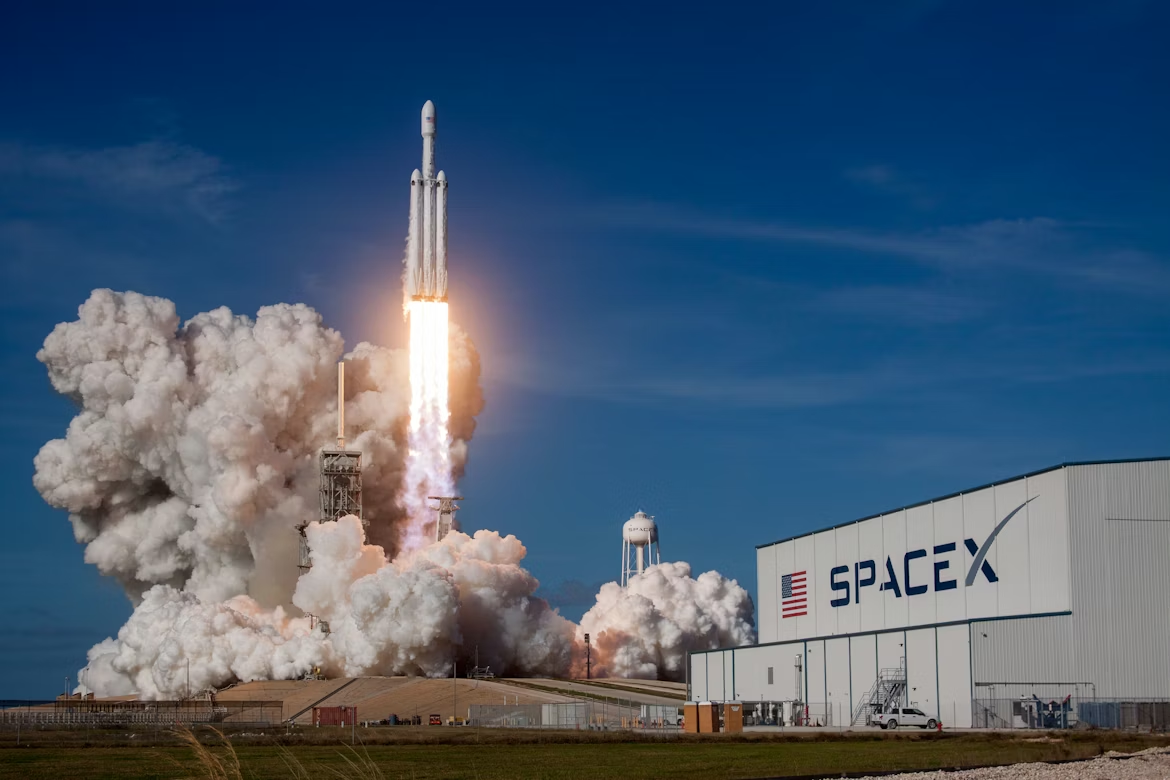
Alphabet led the megacap broad selloff after losing 5% since the high-profile departures of AI executives to OpenAI and Anthropic, while SpaceX extended its post-IPO losing streak, closing 16.4% lower upon disclosing over $100 billion in cash and announcing its first-ever senior unsecured debt offering. Investor focus now shifts to Micron's quarterly results Wednesday and Thursday's PCE inflation print, both of which could confirm the Fed's hawkish stance.
GOLD
Gold prices immediately fell over 1% after closing green on Monday since the US dollar kept climbing in rising expectations of a Federal Reserve rate hike in December following the first meeting chaired by new Fed Chair Kevin Warsh, who turned hawkish. New Zealand's gold sector is undergoing a significant revival, with production on track to double by the mid-2030s through fast-tracked mining approvals.
OIL
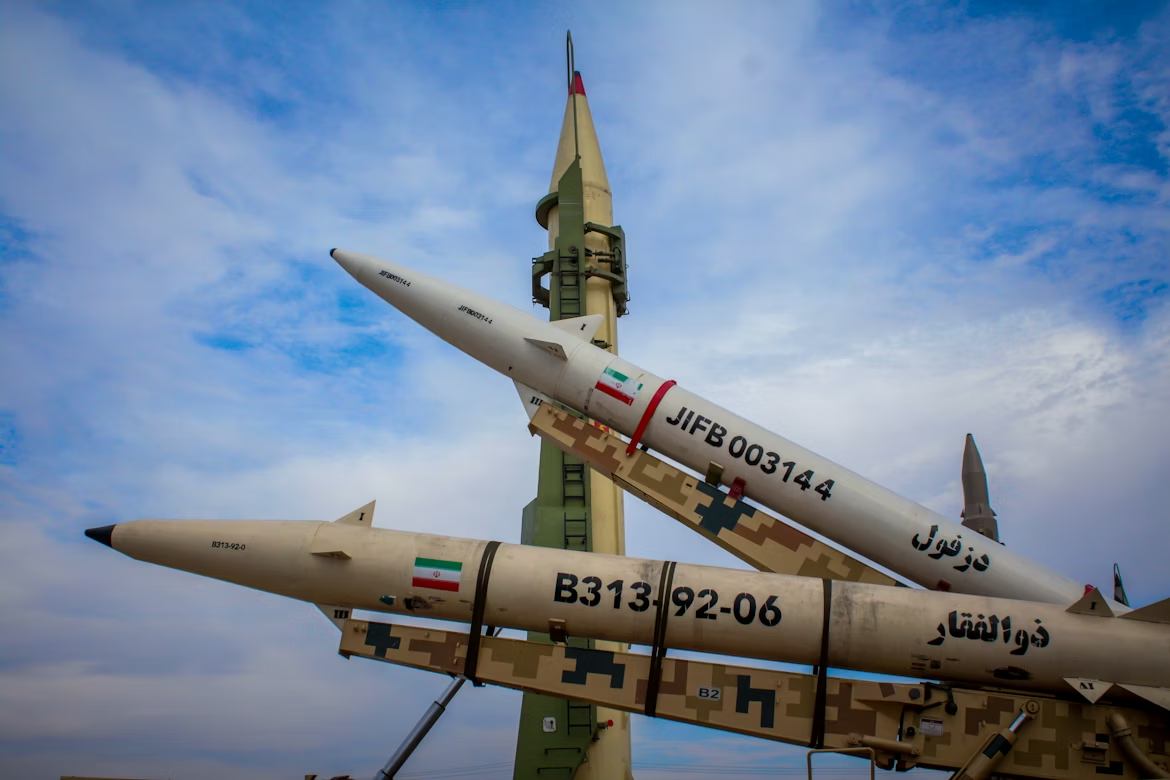
Brent crude is declining toward $75 per barrel since rejecting $82 on Monday, mainly on a higher dollar and a 60-day sanctions waiver, restoring supply lines. Hormuz tanker traffic is quick on the uptake, with Iran shipping 30+ million barrels in a week and Gulf producers Kuwait and Abu Dhabi resuming output, with a full strait reopening flooding markets with 80 million barrels into an already demand-weak environment. Deep US-Iran mistrust and conflicting claims over nuclear inspections keep a sustained price rebound unlikely.
CURRENCY
The dollar is holding near a 13-month high as markets increasingly bet the Fed will hike rates in September, and both Deutsche Bank and BofA agreed. Higher Treasury yields are widening rate differentials in the dollar's favour, while the euro slips to a three-month low after Lagarde ruled out additional ECB tightening and sterling steadies around $1.342 following Starmer's resignation. The most focus is on the yen, which nears its weakest level since 1986 as Japan weighs intervention.