


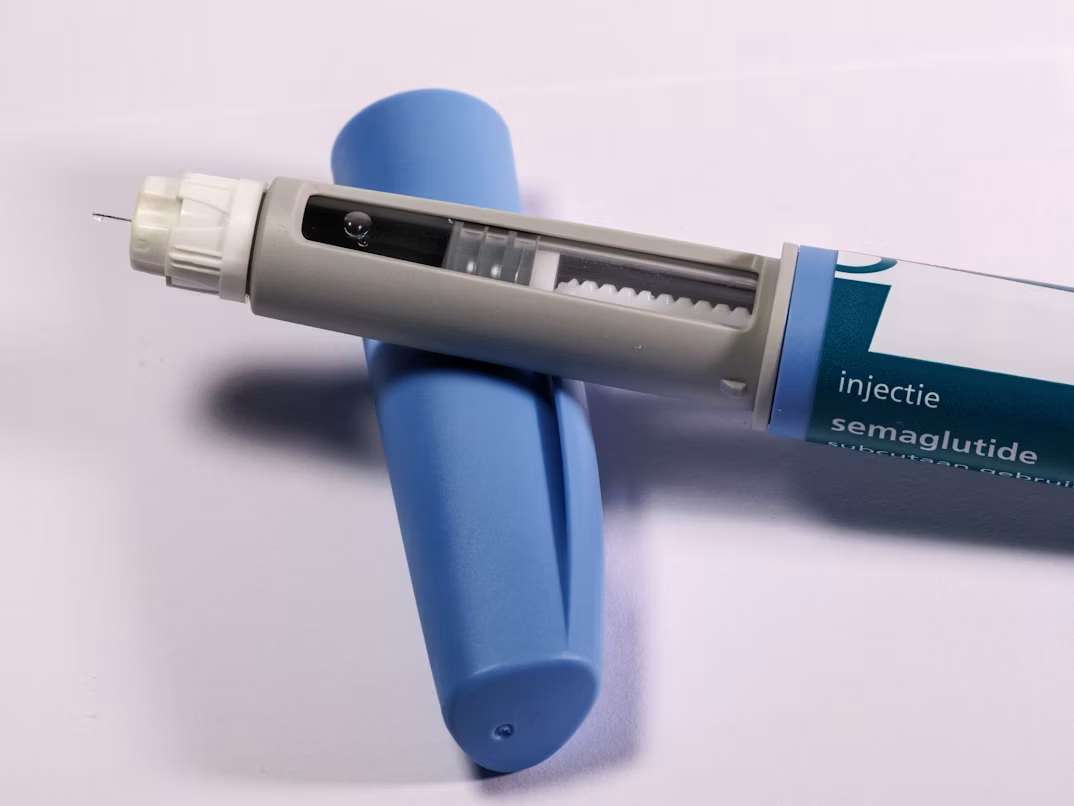
The ye olde weekly weigh-ins, point systems, meal replacements, and subscription coaching based on the traditional weight-management model are being structurally dominated by drugs that attack obesity biologically rather than behaviourally. WeightWatchers' bankruptcy filing supported this story, where they said the company was navigating a “rapidly changing weight management landscape" and reported first-quarter 2025 subscription revenue down 9.3% even as its clinical business grew more than 57%. This shift was only the start to a larger systemic hegemony, because GLP-1 adoption is changing not just treatment but consumer expectations. PwC says businesses across health, food, retail, and travel will need to reinvent their models, while JPMorgan forecasts the global incretin market could reach $200 billion by 2030 and the market share will come from all four major sectors, damaging overall consumption.
Another game-changing compound entering the market is retatrutide, which, if it goes mainstream, could intensify that disruption further because it appears to push efficacy beyond today’s leading agents while still showing meaningful effects even at lower doses. In the phase 2 NEJM trial, average weight loss at 48 weeks was dose-dependent, reaching 24.2% at 12 mg, while Lilly’s May 2026 phase 3 readout said even the 4 mg arm achieved 19.0% average weight loss at 80 weeks, versus 25.9% at 9 mg and 28.3% at 12 mg. This high efficacy at minute doses matters commercially because a drug that works strongly across a range of doses can be titrated more flexibly for tolerability and access. But “mass tolerability” should not be overstated, as the main risks seen so far are still the familiar incretin toxicity, including nausea, diarrhoea, vomiting, constipation, discontinuations due to adverse events, and dose-related heart-rate increases that peaked and then declined in phase 2. So the most plausible marketing path is not reckless broad-brush wellness branding but step-up dosing, physician-supervised obesity care, and outcomes-based positioning aimed first at people with obesity or overweight plus cardiometabolic comorbidities. The biggest beneficiaries would be branded manufacturers, telehealth/obesity clinics, and patients with high BMI and metabolic disease. While demand is already leaking to unregulated peptide channels, reports on bootleg retatrutide bought from Chinese labs describe no physician screening, uncertain purity, wrong dosing, and severe harms including pancreatitis, serving as proof that unmet demand can create a dangerous shadow supply chain when legitimate access lags.
The downstream industry effects are obvious, though likely to be uneven. Food and beverage that is expected to bear most of the brunt is already preparing to take hits, with JPMorgan saying GLP-1 treatment could cut annual food-and-beverage revenue by $30 billion to $55 billion by 2030-2034, with users consuming 21% fewer calories and spending 31% less on groceries, which pressures indulgence-heavy brands and favours smaller portions, high-protein products, and nutrient density. Bariatric surgery clinics face displacement risk as GLP-1 uptake rises, with early reporting already linking increasing prescriptions to falling surgery demand, while supplement companies built around appetite suppression and “fat burners” may lose outright relevance unless they pivot toward protein, fibre, calcium, B12, and GI-support products that help users manage lower intake and preserve muscle. Fitness, by contrast, may instead gain share as clinical and expert guidance increasingly emphasises resistance training on GLP-1 due to lower consumption reducing lean mass, and retatrutide users in one qualitative follow-up frequently reported better mobility and higher energy, suggesting that this drug class may not kill exercise demand but redirect it toward strength training, coaching, and body-composition management as consumers try to avoid looking smaller but weaker.
Sources: BBC, PwC, JPM, WUSF, Statnews
Photos: Unsplash
Written by: Ariff Azraei Bin Mohammed Kamal