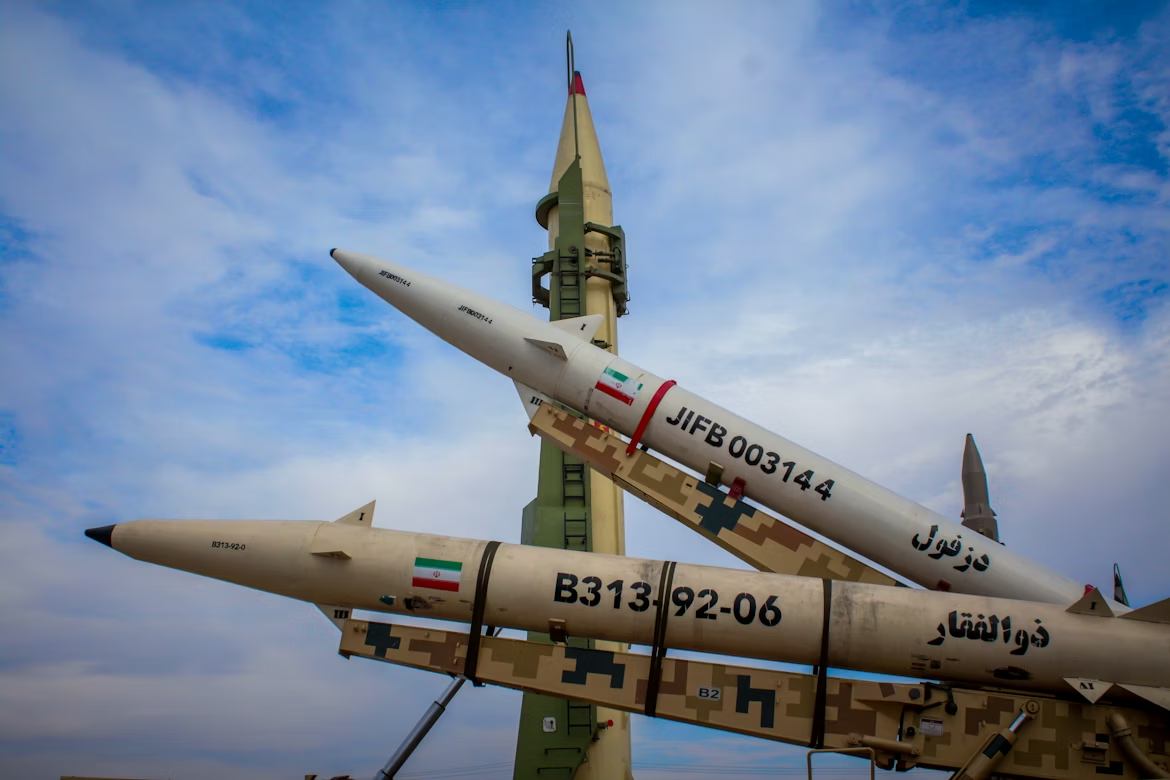
President Donald Trump just signed a historic 14-point memorandum of understanding with Iran during a candlelit G7 dinner at the Palace of Versailles on Wednesday, halting the 15-week war. Ironically, the conflict-ending document was finalised at the very venue synonymous with the 1919 treaty that redefined global borders after World War I. While Washington claims the 60-day interim agreement averts a catastrophic "worldwide depression", the text grants massive, unilateral concessions to Tehran. Under the negotiated terms, Iran secures an immediate lifting of the crippling U.S. naval blockade on its ports alongside comprehensive waivers for its vital crude oil exports, though temporarily. The best point was the deal guarantees the unfreezing of billions of dollars in restricted Iranian assets and lays the groundwork for a U.S.-backed, $300 billion regional economic reconstruction fund. In exchange, Iranian negotiators merely agreed to a temporary down-blending of their highly enriched uranium stockpile and a conditional pause on regional hostilities.
EQUITY
Wall Street was uneasy after the Fed meeting, with the S&P 500 dropping 1.21% and the Dow snapping a four-day win streak. The Fed projected tightening to fight sticky inflation sent bond yields and the U.S. dollar high, crushing equity sentiment. Fortunately, the panic was short-lived after stock futures ripped higher this morning, though losses were not fully recovered after the U.S. and Iran signed a massive peace deal to reopen the Strait of Hormuz.
GOLD
Gold traded back above $4,300 after dropping 3.5% during the FOMC meeting, though gains were mostly diminished by President Donald Trump’s signing of an interim peace agreement with Iran, boosting U.S. dollar and rising Treasury yields in conjunction with the Federal Reserve holding interest rates steady but aggressively pointing to a potential rate hike later this year.
OIL
Oil prices plunged to three-month lows after a U.S.-Iran peace deal cleared the way for Iranian exports and the reopening of the Strait of Hormuz. While markets are betting on a flood of supply, analysts warn logistical bottlenecks could delay Iranian barrels, though the IEA says today's supply crunch could become a massive global glut by 2027.
CURRENCY
The dollar index rebounded to 99.60, erasing losses from an interim U.S.-Iran peace deal, suggesting growing investor scepticism over the accord's details, as Iran’s plan to levy Strait of Hormuz transit fees directly contradicts U.S. assertions of free-flowing oil. Market focus is pivoting to a packed week of central bank decisions, especially at the Fed under new chair Kevin Warsh.