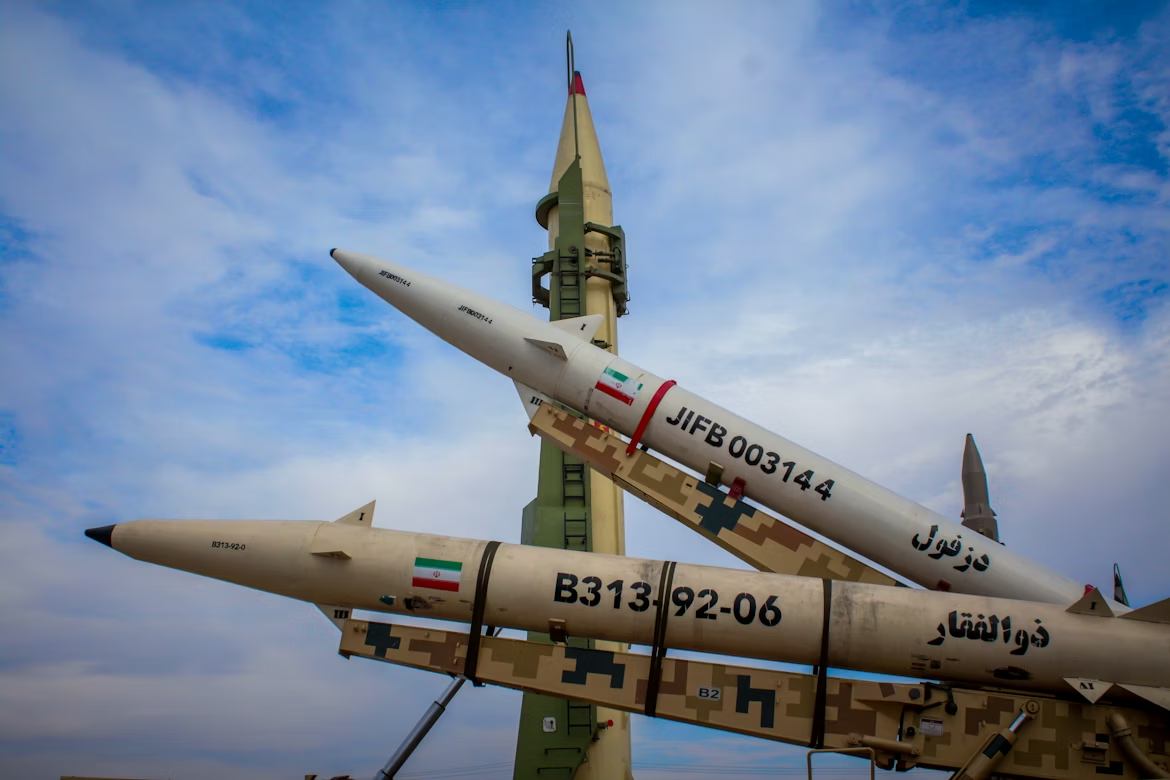

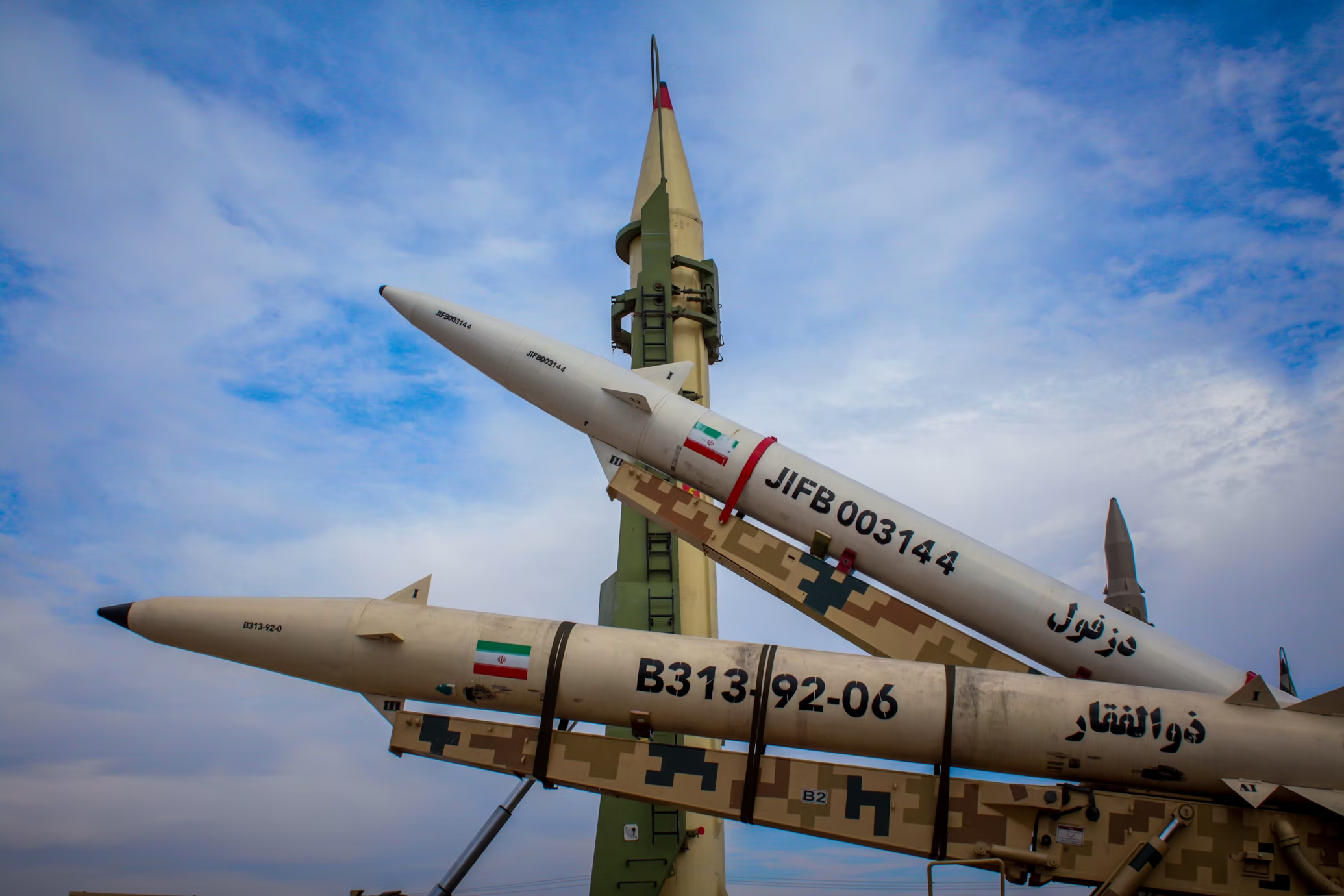
Iran’s continued strikes on commercial shipping around the Strait of Hormuz have not subsided, concluding that Tehran is weaponising the world’s most important oil chokepoint to target the American economy by making transit riskier and more expensive. Reports this week describe multiple vessels being hit in or near the strait and elsewhere in the Gulf. Some analysts interpret the pressure campaign as an attempt to raise the economic and political costs for Gulf states in the hope that, facing higher insurance premiums, shipping delays, and price spikes, they would then press Washington and their own security partners for de-escalation rather than aligning closely with U.S.-Israeli military objectives. Iran’s goal is becoming clear: it is less about any single ship and more about leveraging regional economics to fracture the coalition. Tehran and aligned actors also frame the confrontation in ideological terms, arguing that sustained economic pain can help block what they describe as a “Greater Israel” agenda, a biblical region that covers from the Nile to the Euphrates.
EQUITY
The Strait of Hormuz continues to choke the oil market with another attack on oil tankers, pushing the energy sector higher. Technology stocks showed relative strength as the broad market ended slightly higher, though investors turned cautious and pushed back expectations for the Federal Reserve’s first rate cut. Oracle topped the chart after reporting over 20% growth in revenue and earnings, though customer concentration risk and shelf life depreciation problems persist.
GOLD
ANZ research suggested central banking demand for gold is likely to expand this year, with new official-sector buyers such as Malaysia entering the market alongside traditional purchasers. A stronger dollar, rising Treasury yields, and rate-cut pushback limit gold rally this year. Nevertheless, ANZ strategists consider sustained accumulation by central banks as a key structural support offsetting near-term volatility.
OIL
Oil prices rose to $101.59 for Brent and $95.97 for WTI even with the International Energy Agency's record 400 million barrel strategic reserve release, as attacks on the Strait of Hormuz waters continue. Analysts caution that prices remain driven by panic and emotion, with sustained relief unlikely until the Strait of Hormuz reopens and geopolitical tensions subside.
CURRENCY
The dollar index rallied to 99.5, its third daily gain, and neared its highest level since November on inflation fears from higher oil prices. Major currencies weakened against the greenback, with the yen and euro approaching multi-month lows, the pound dipping near its yearly trough, and the yuan edging lower as the People's Bank of China set a softer midpoint reference rate. Markets are now pricing in just one 25 basis-point cut in September as traders assess the risk of inflation stemming from potential energy-price shocks.