

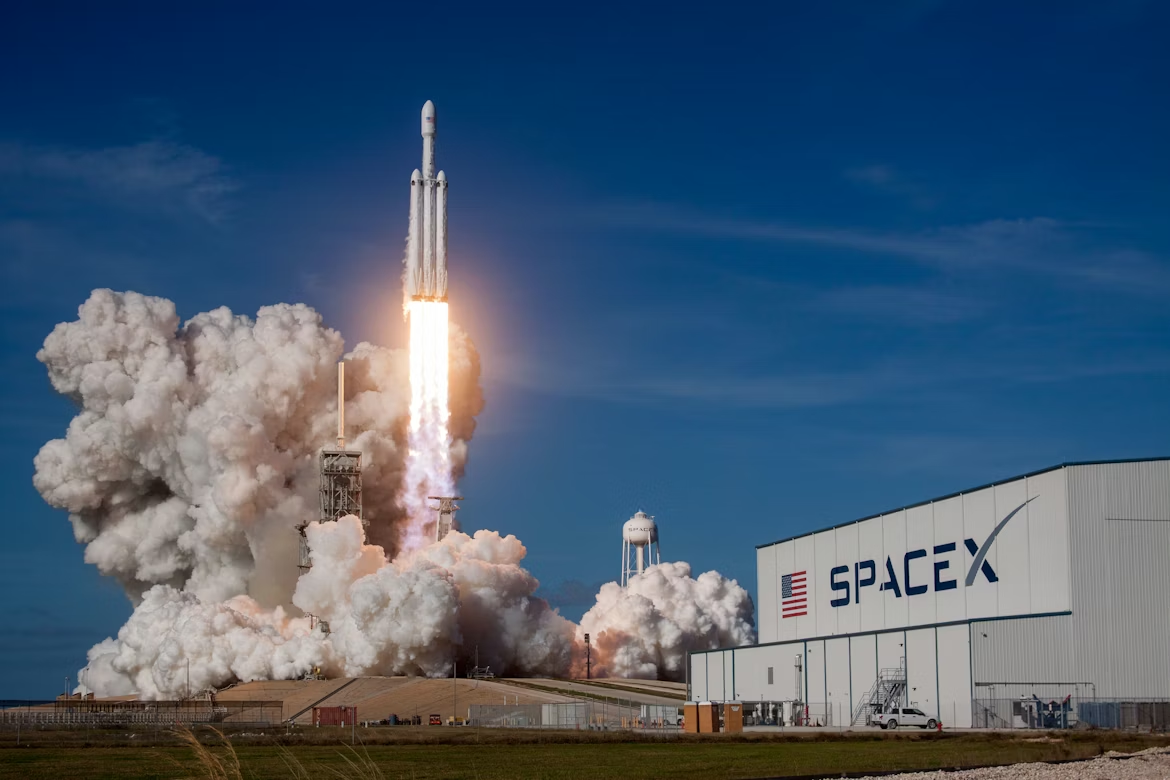
SpaceX today has launched the world's largest initial public offering on the Nasdaq, raising a record $75 billion at a $1.77 trillion valuation, making Elon Musk the first trillionaire and richest man in history ever. However, multiple sustainability-focused and institutional fund managers are blacklisting the stock due to a high-risk governance structure that awards Musk over 80% of voting rights while drastically weakening minority investor protections. In spite of over a $5 billion loss last year on $19 billion in revenue, market demand is real with heavily oversubscribed orders flooding in from global asset managers, sovereign wealth funds, and retail buyers. This speculative frenzy also spilt into cryptocurrency exchanges, where global traders generated billions of dollars in volume using unanchored pre-IPO perpetual futures to bet on the company's post-IPO valuation. The listing is also being used to calculate upcoming artificial intelligence mega-listings like OpenAI and Anthropic.
EQUITY
Wall Street put on a fierce single-day rally as major indexes roared back alive after President Trump put off military strikes against Iran, crashing oil prices and easing inflation fears. Semiconductors saw the highest gain with treasury yields pulling back down, reducing chances of a year-end high rate hike. Meanwhile, intense single-stock volatility is racking the market as retail investors aggressively liquidate existing holdings to amass capital for the SpaceX debut.
GOLD
Gold prices rebounded away from the $4,000 key level and are heading for a weekly loss of up to 3.4% after hitting a six-month low. The market still faces downward pressure from inflation fears, with traders currently pricing in a 40% chance of a Federal Reserve interest rate hike in December. While near-term risks could force prices below the $4,000 mark, institutional forecasts remain higher, with UOB predicting $4,800 in the fourth quarter and ANZ setting a year-end target of $5,200.
OIL
Brent tripped over 4% to a three-month low below $86.50 per barrel as growing hopes for a clear US-Iran peace agreement defused the threat of a continued regional supply shock. Market sentiment shifted after President Trump delayed military strikes and indicated a deal could be signed this weekend in Europe, with Iranian media reporting Tehran's likely approval of the proposal involving a 14-point draft agreement outlining the suspension of oil sanctions and a 30-day timeline to formally reopen the Strait of Hormuz.
CURRENCY
The dollar index fell to 99.7 as prospects of a weekend US-Iran peace deal reduced safe-haven demand and depressed oil prices. Although a 6.5% headline May PPI highlighted localised energy shocks, a lower 4.9% core reading eased deeper inflation anxieties. This softer global dollar posture pushed the Chinese yuan near a three-year high, on track for a 0.3% weekly gain. Meanwhile, the euro maintained a one-week high following the European Central Bank's first rate hike in three years.