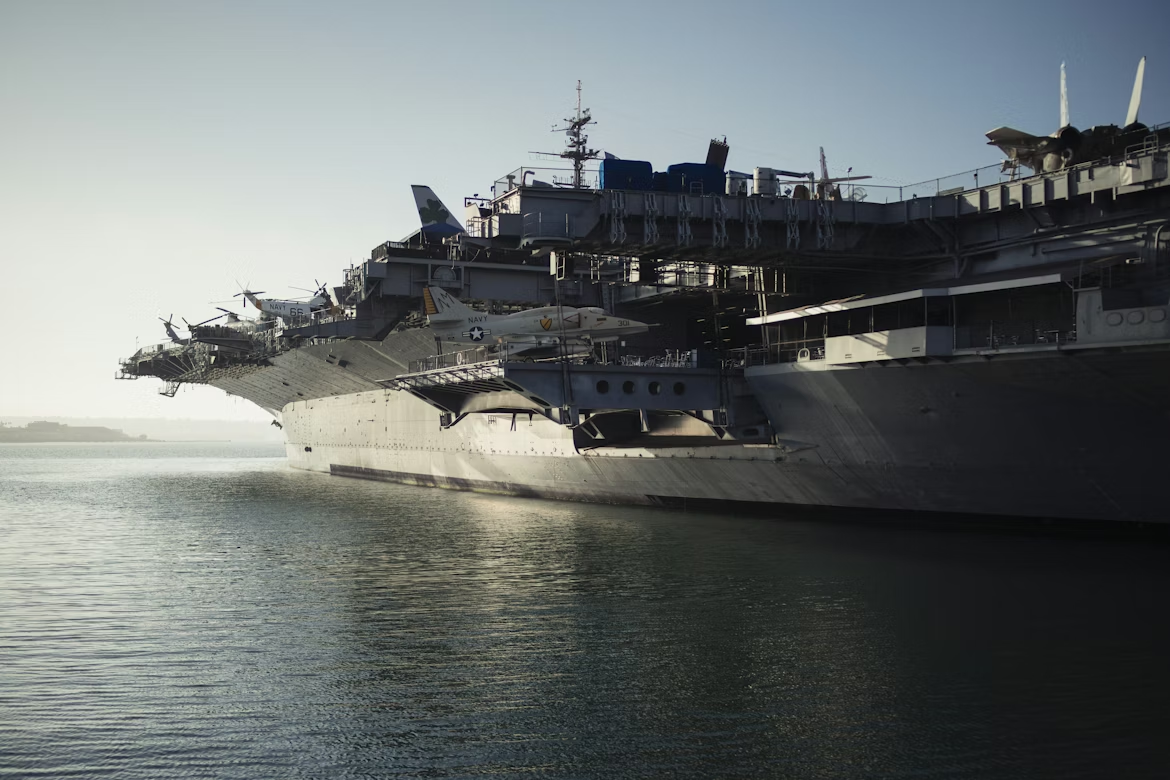

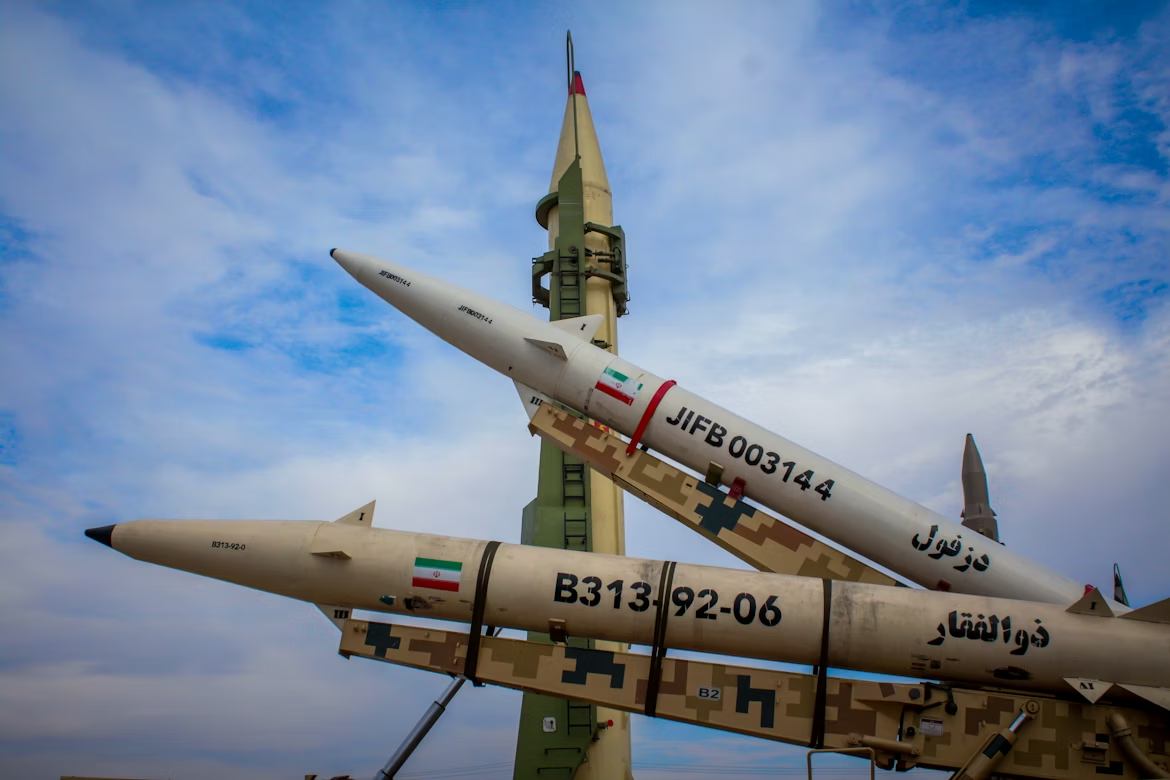
In an unsurprising fashion, Iran declared the recently brokered two-week ceasefire with the U.S. and Israel as "unreasonable" following violations due to a blatant obstructer to peace. Iranian Parliament Speaker Mohammad Bagher Qalibaf noted unrelenting Israeli strikes on Hezbollah in Lebanon, drone incursions into Iranian airspace, and the U.S.'s refusal to acknowledge Iranian enrichment capacities as breaches of Tehran's conditions. This stance, together with Iran's closure of the Strait of Hormuz and hints of sea mining, might lead to a rapid escalation. Upcoming talks in Islamabad, led by U.S. Vice President JD Vance, will determine the next play on board, though unlikely to yield progress given Israel's sabotage of any deal toward peace. The international community braces for a protracted conflict as both sides claim victory while fundamentally disagreeing on the path to de-escalation.
EQUITY
Risk on is back, and the US stock jumped almost 3% after President Trump announced a US-Iran two-week ceasefire, hoping to unlock the Strait of Hormuz and recover supply chain, though it was almost immediately violated by an Israeli strike on an Iranian oil refinery. This Middle East de-escalation supercharged investor confidence, with forecasts eyeing sustained rallies if the truce holds. Intel managed an 11.42% on analyst upgrades and a chip sector rebound, outpacing energy stocks hit by cheaper oil.
GOLD
Gold swung higher toward $4,850 on a US-Iran ceasefire before retreating to $4,700 as collapsing oil prices eased inflation fears and risk-on flows triggered profit-taking. The de-escalation hope had also pulled dollar down, yields, and Fed rate-cut bets, preventing deeper losses. With the Strait of Hormuz reopening still uncertain since the Israeli breach of the ceasefire, gold remains hostage to Middle East volatility and shifting macro sentiment.
OIL
Brent crude is slowly creeping back toward $100 as Israeli strikes on Lebanon and Iranian oil refineries shattered commitment toward an effective ceasefire and the Strait of Hormuz reopening. Physical Brent spot prices traded at $124.68, a $30 premium to futures, with 13 million barrels per day of Middle East output offline and full Hormuz restoration potentially requiring four to five months. Until shipping lanes reopen and regional attacks end, high oil prices might be the new reality, with geopolitical risk premiums firmly embedded in the curve.
CURRENCY
The dollar reclaimed ground above 99 and steadied as the US-Iran ceasefire failed to ease risk aversion, with ongoing violations and blocked Hormuz shipping keeping markets on edge. The yuan held near three-year highs on export strength and pre-Trump visit stability hopes, while the yen slid on ceasefire doubts and delayed BOJ hike expectations. Fed minutes show split rate views, and the dollar's energy-exporter safe-haven status supported its relative strength in this crisis.