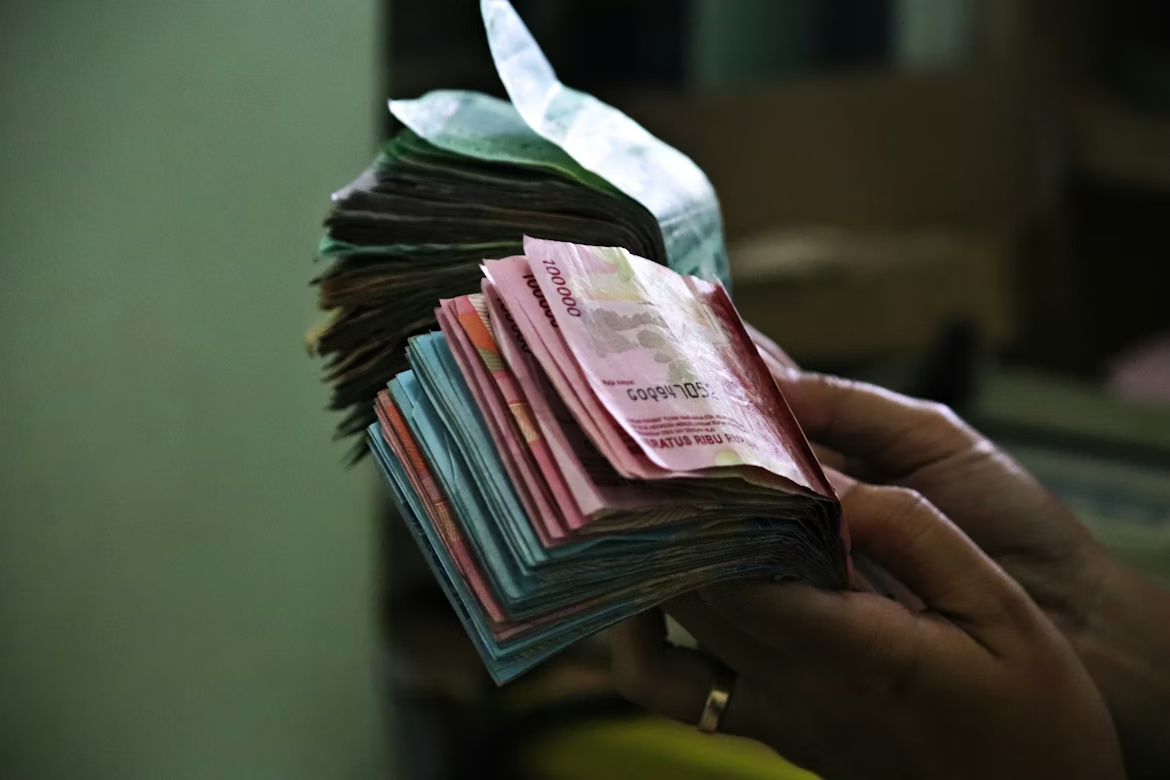
Bank Indonesia enters its 20 May meeting under mounting pressure to raise the BI-Rate by 25 bps to 5.00% but surprises with a 50 bps hike instead as the rupiah sinks to record lows even with repeated intervention. The case for tightening is defensive, not growth-driven, where policymakers are trying to stabilise the currency, contain imported inflation from higher oil prices and Middle East tensions, and offset pressure from higher U.S. rates and emerging-market capital outflows. While BI previously indicated a readiness to tighten further if needed to defend the rupiah and keep inflation within its 2.5% ±1% target, economists remain split on whether it will prioritise rate hikes or heavier FX intervention. The hike could be a one-off pre-emptive hike or a strongly hawkish hold, as inflation remains manageable but currency credibility has become the immediate policy battleground.
EQUITY
Wall Street is not looking good this week after the third session ended in losses as reinflation risk pushed the 10-year Treasury yield to its highest level since January 2025. These fiscal constraints have dragged technology and consumer discretionary sectors, with investors pocketing profits ahead of minutes from the Federal Reserve's policy meeting and Nvidia's earnings report. A massive tax refund season limited losses, stimulating an unusually high retail trading volume, aggressively pouring capital into semiconductors and mega-cap tech giants.
GOLD
Gold lost over 2% to a seven-week low near $4,465, reversing its typical safe-haven role in circumstances where compounding sticky inflationary pressures threaten to force aggressive central bank measures. Consequently, traders are reducing bets for Federal Reserve rate cuts and instead looking for potential interest rate hikes, which would be disruptive to all markets.
OIL
Crude oil retreated in the Asian session, considering Donald Trump's daily shifting statements that the 12-week war with Iran could end "very quickly". Even if a peace agreement looms above, benchmark prices will remain elevated because the market has passed a point of a quick return to pre-war supply levels, and NATO is currently weighing plans to escort commercial vessels if the vital route remains blocked beyond early July. Citi predicts that a continued blockade could push Brent to $120 while countries are heavily drawing down inventories.
CURRENCY
The U.S. dollar index is holding steady near a six-week high of 99.4 thanks to safe-haven demand and a probable December rate hike. In addition, reignited inflation and a 17-year high in the U.S. 30-year Treasury yield are pulling major European and Antipodean currencies down to near multi-week lows, while the Japanese yen weakened to 159.03 per dollar, placing traders on high alert for official market intervention.