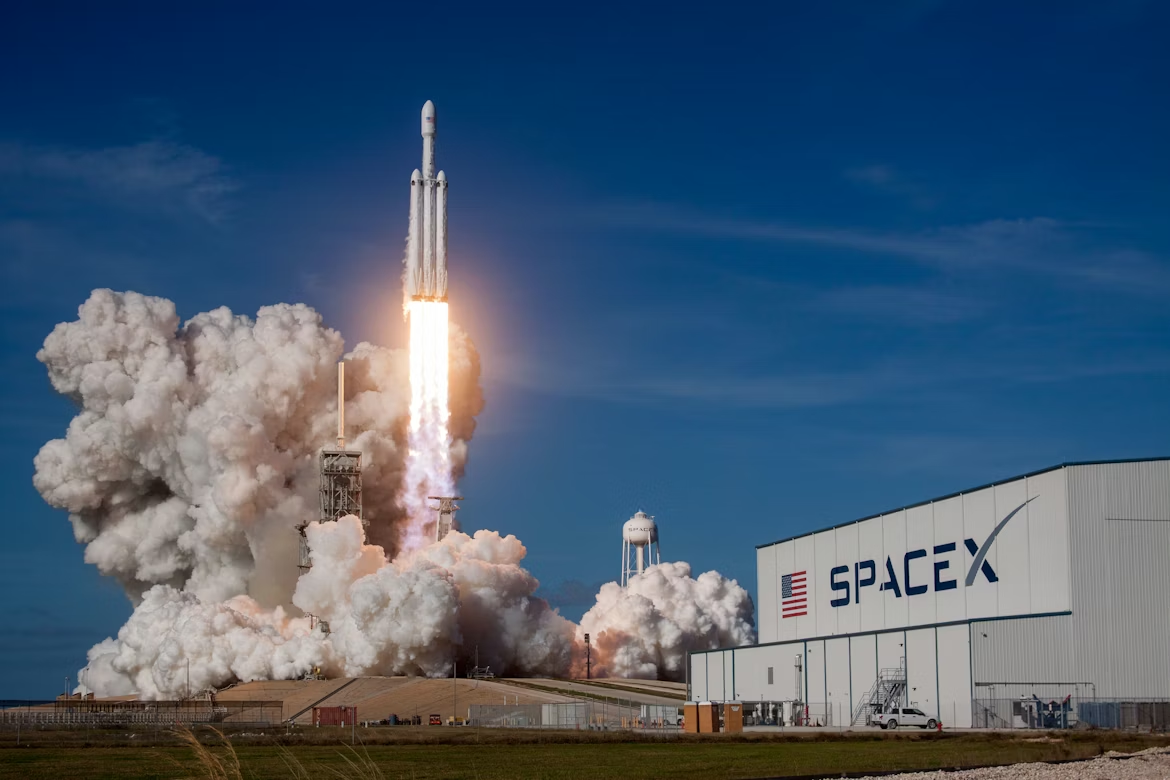

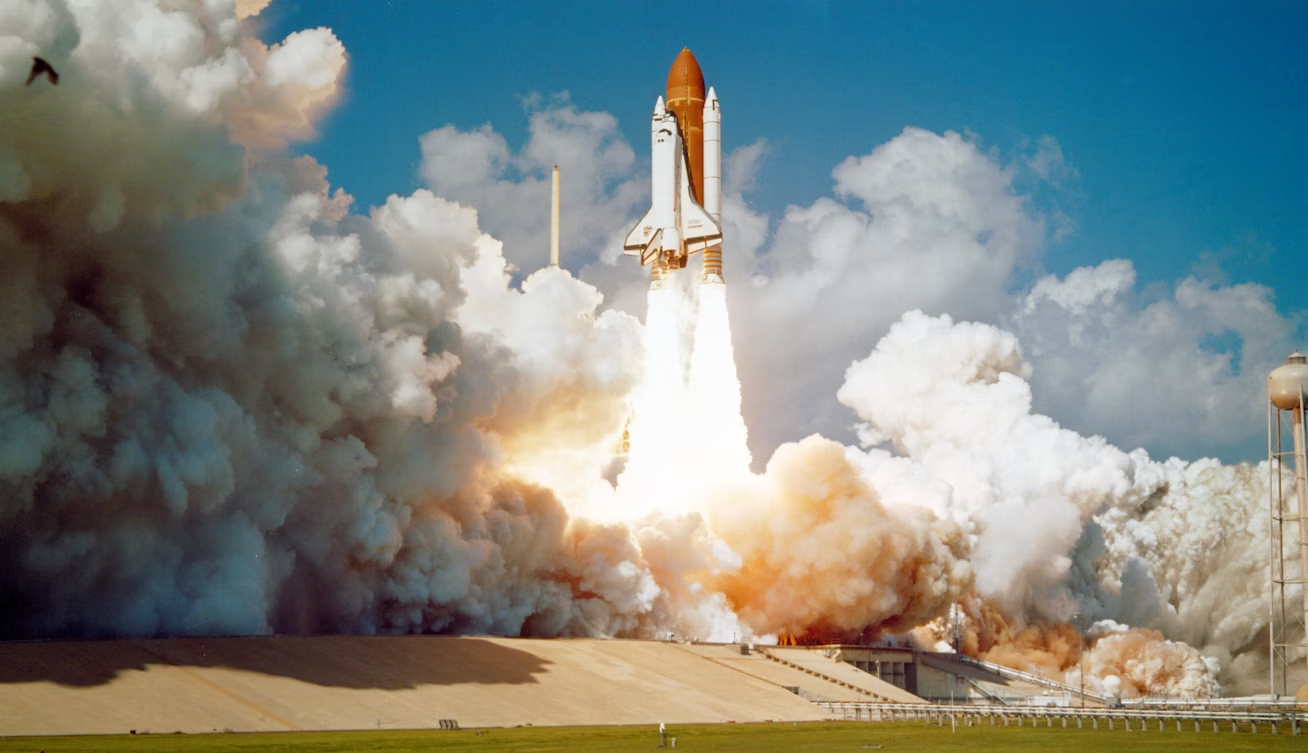
If NASA keeps Artemis II on its April launch target and follows with a commercial lander demonstration in 2027, the programme would begin to look less like a symbolic return to the Moon and more like a structured attempt to build a permanent lunar economy. The purpose of the revised architecture is to create repeatable transport, communications, and surface access that commercial firms can plug into, turning lunar missions into infrastructure rather than isolated government events. That would likely concentrate investor interest on companies already embedded in the supply chain, particularly launch providers, robotics firms, communications specialists, and defence-space contractors with active contracts and flight-ready systems. For emerging businesses such as Lonestar Data Holdings, which is developing lunar data storage with Phison Electronics, sustained mission cadence could create the operating conditions needed for off-planet computing to evolve from experimental payloads into commercially valued infrastructure, though market gains would remain highly selective until launch reliability and mission frequency are proven.
EQUITY
Stocks continued their decline, although futures gained on the Wall Street Journal report that President Trump might end the Iran conflict without requiring the Strait of Hormuz to reopen. Technology fell on AI spending and slower chip demand, though smaller caps suffered worse. The broader market has entered correction territory even with Fed Chair Powell's reassurance that long-term inflation expectations remain anchored.
GOLD
Gold prices clawed back 1% in Asian session as hopes for a U.S.-Iran de-escalation and Fed Chair Powell's inflation reassurance mitigated March's brutal selloff that left bullion heading for its worst monthly performance in 17 years. Goldman Sachs holds its $5,400/oz end-2026 target, betting on eventual Fed easing, cleaner speculative positioning, and strong central bank demand even as supply-driven stagflation historically favours commodities over gold in the near term.
OIL
Brent crude is barrelling toward its biggest monthly expansion on record, up nearly 60% to $115. Attacks on regional shipping keep premiums intact, leading toward the worst energy crisis ever, with The Philippines recently declaring a “national energy emergency". The rally has shifted market focus from headline trading to genuine inflation anxiety, with analysts warning sustained high prices could soon threaten global growth.
CURRENCY
The dollar index stayed resilient through the conflict, gaining 3% in March as Middle East escalation pushed oil higher and raised stagflation fears. The Iran conflict's fifth week and the Strait of Hormuz closure have cemented the dollar's dominance while pressuring the euro, pound, and yen into monthly losses exceeding 2%. Asian currencies such as the won, Aussie, and yuan hit multi-month lows despite supportive domestic data, as risk aversion outweighed local fundamentals.