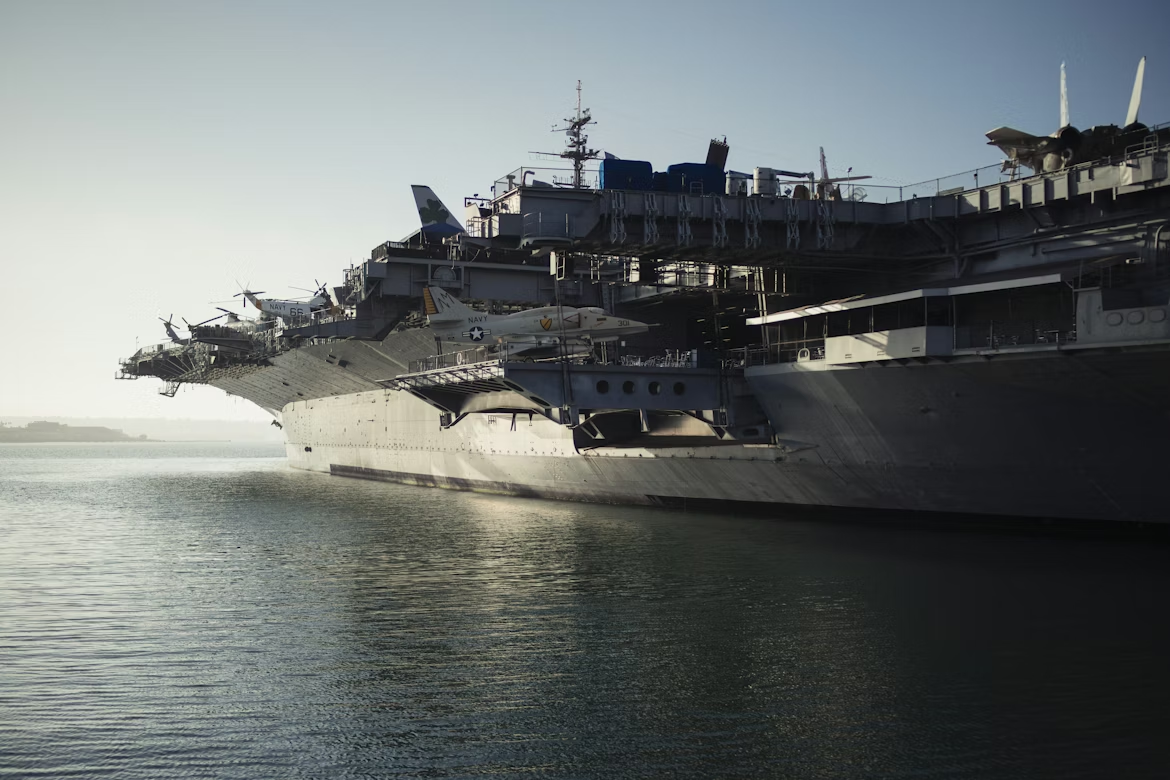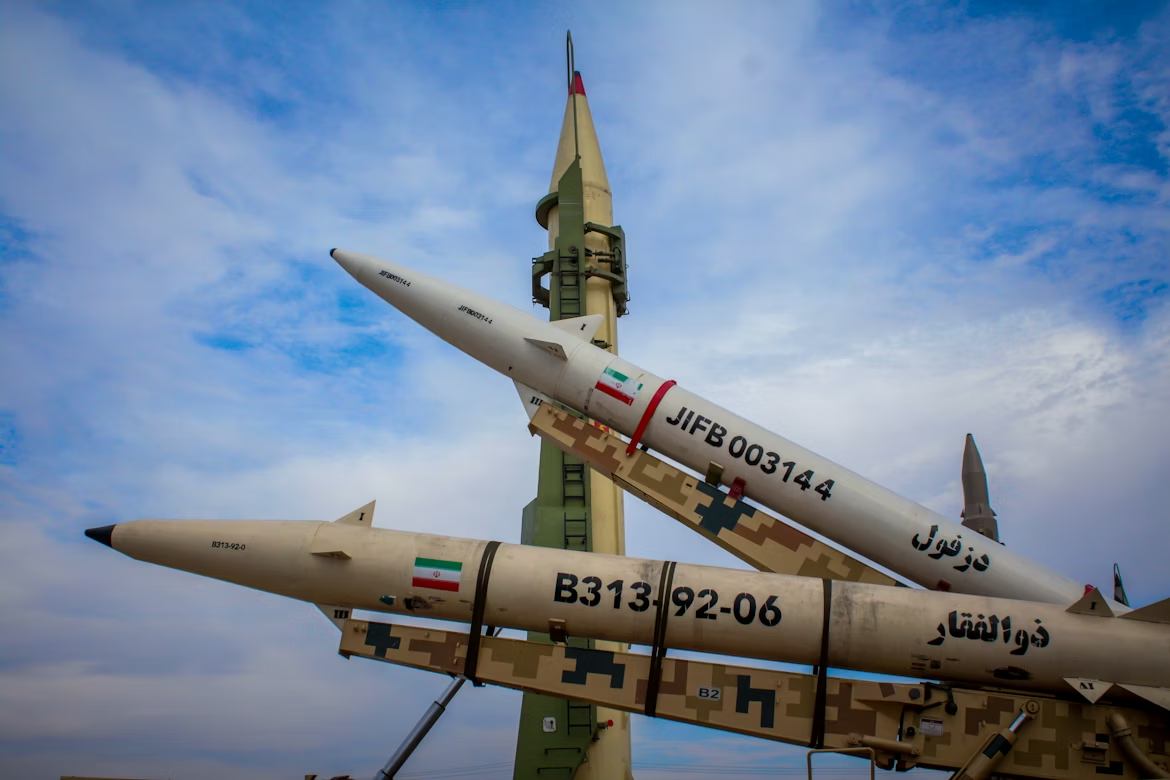

Global attention is slowly shifting to the Straits of Malacca and Singapore since the trade war and asymmetrical warfare continue to escalate worldwide, including the fact that 84% of Hormuz’s 20 million daily barrels flow to Asian markets in 2024. Connecting the Indian Ocean to the South China Sea, the corridor handles 23.7% of global trade and 45% of crude oil, according to UNCTAD. Any diversion would ripple violently through global refining, manufacturing, and finance since it is also the main route Chinese goods took to the west. Security pressures are already peaking, where ReCAAP recorded 108 incidents in 2025, a 74% spike and the highest level since 2007. As officials reaffirmed that regional security is a "shared responsibility", Malaysia, Indonesia, and Singapore are set to become the epicentre of global naval and diplomatic tension if Hormuz fails.
EQUITY
Unresolved tension between the U.S. and Iran snapped record winning streaks this week, ending at the 13th day with a pullback starting Monday. However, the semiconductor industry held its ground with AI-driven demand for high-bandwidth memory, structurally tightening the market. Individually, Avis Budget Group ($CAR) has seen better gains at 600% in 20 days, induced by a massive short squeeze that pushed sellers into a supply crisis.
GOLD
Gold prices rebounded above $4,750 after hitting weekly lows since President Trump’s ceasefire extension, although formal U.S.-Iran peace talks have collapsed. Although the metal remains nearly 10% lower since the conflict began, the temporary pause in hostilities eased inflationary fears. However, rising Treasury yields and rumours surrounding Federal Reserve nominee Kevin Warsh’s independent stance kept the market uncertain.
OIL
Crude oil traders remain stressed since high variability, such as US-Iran peace talks and President Trump’s unilateral ceasefire extension despite violations, kept price direction ambiguous. The continued U.S. naval blockade has kept the critical Strait of Hormuz effectively closed, halting 20% of global supplies for all and not just the IGRC blacklist. This logistical paralysis has left oil flows "stuck in neutral", threatening to destroy up to 5% of global demand.
CURRENCY
The U.S. dollar rebounded, holding near one-week highs as an indefinite ceasefire extension failed to erase safe-haven demand. Domestic strength was reinforced by positive growth in retail sales and hawkish signals from Fed nominee Kevin Warsh. Conversely, oil-sensitive Asian currencies like the Indian rupee slumped under the continued energy crisis. The Japanese yen stood strong against the crisis with export rises for the seventh straight month.